I know this season is already so chock full of pressure to buy so, I was on the fence about writing this post, but a few folks told me they read it so here we are. ^_^
This guide has little rhyme or reason, it’s not a ranking, just some suggestions for things to ask Santa for. So, here we go….
2013 is going to see a couple of good English anime releases. Whether you’re putting your gift list together for yourself or picking something out for a friend, here’s a short list of couple of things to look for!
Anime Gifts
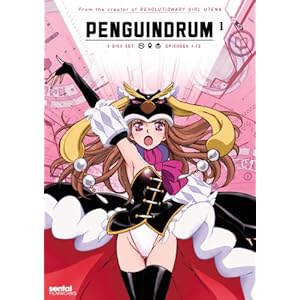
Penguin Drum – Section 23 is releasing Ikuhara Kuniko’s newest series, Mawaru Penguindrum, in two forms, DVD and Blu-Ray.
For fans of Revolutionary Girl Utena, surrealism and/or Yuri, this series is an exploration of alternate unrealities that exist simultaneously.
This series is not especially suited for younger viewers, there are some adult scenes and childhood abuse and neglect. More importantly, it’s a non-linear story that has an ending, while never actually being resolved, which confuses people. ^_^
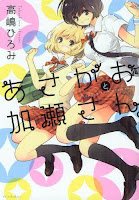
Sweet Blue Flowers – Nozomi/RightStuf launches its budget line with this highly anticipated series. This delightful tale of Fumi and her friend Akira and their friend as they enter high school, is quite simply one of the best Yuri stories out there.
I’ve said this many times, and I’ll continue to say it, it would have been life-changing for me if Fumi had been in existence as a role model/media representation of a young woman in love with other women when I was young.
I know RightStuf will treat this series kindly – and I’m told that pre-orders will come with an “exclusive gift” the nature of which I have no more clue to than you. We can all be surprised together. ^_^
Maria Watches Us – Meet the Student Council of Lillian Girls’ Academy, competent Youko, trickster Sei, pot-stirrer Eriko and their younger “sisters” intense Sachiko, boyish Rei and otherworldly Shimako. The Maria-sama ga Miteru series was a gamble for RightStuf, but they’ve been really happy with the results. Now all four seasons of anime following Yumi and her adventures have gone to discount litebox. There’s never been a better time to make a gift of the Yamyurikai to someone you love. ^_^ Another RightStuf offering.
Season 1 | Season 2 | Season 3 | Season 4
Bodacious Space Pirates – Section 23 again with DVD or Blu-ray options for what was one of the most amazing dark horse anime I’ve ever seen. Who knew that a space opera anime series would exist with so little fanservice, great writing, terrific characters and Yuri!
The story of high school girl Marika’s transformation into the captain of the space pirate ship Bentenmaru is a bundle of fun.
This will absolutely be on my wish list.
Not sure what you (or your friend) actually wants to watch? Don’t worry, here’s a suggestion for that, too.
Crunchyroll Subscription – For a reasonable price, get a great deal of anime, including premieres, simulcasts, contests and extras. The perfect gift for the animevore you know.
For folks who are more readers than watchers, here’s a few suggestions:
Manga Gifts
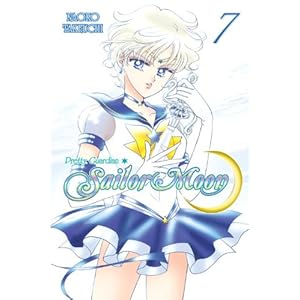
Sailor Moon – The first 8 volumes of this manga classic are now out in English. This is a groundbreaking series in the sense that it changed the way the world viewed girl’s manga forever. With archetypal characters, an epic romance to accompany the epic plot, and the charm of a young woman coming of age in the middle of turmoil, this series has enchanted millions. Now, in a new edition, it’s making a splash all over again. Yuri fans should read it to, at the very least, meet the Queens of Yuri, Haruka and Michiru. ^_^
Volume 1 | Volume 2 | Volume 3 | Volume 4 |
Volume 5 | Volume 6 |Volume 7 | Volume 8
with more volumes to come.
GIRL FRIENDS – Seven Seas has put out a 2-volume omnibus collection of Morinaga Milk’s series about love between Mariko and Akiko.
Volume 1 and Volume 2 were translated by the very capable Ana Moreno and are still a surprisingly realistic exploration of the first time we fall in love.
And, for a load of really excellent Yuri Manga, here’s my number one gift suggestion:
JManga Subsciption – Check out their Yuri Page to see the series they’ve already released – there is more on the way, including favorites by Morishima Akiko, Fujieda Miyabi and more! Jmanga will make the perfect gift for any Yuri manga enthusiast.
As a bonus, I offer up one more suggestion for the folks out there who can read Japanese. I know I’m beating the drum hard for this, but really, it’s all that and a bag of chips.
Nishi UKO’s Collectors is the Yuri manga *I* have been waiting for. Life after happily-ever-after looks exactly like this and no one draws or tells it better.
Shinobu, the book collector, Takako, the fashion plate and their long-suffering friend Naomi are the most real characters I’ve ever read. I love them and I hope you will too.
I hope you find something you like on this list. Happy Yuri Holidays!

 Let me be up front here for a sec – there is less Yuri in this new volume of K-ON! than there ever has been, which is to say, there isn’t a single shred of Yuri, even if you work at it.* Even Mugi has nothing to work with. So if Yuri is your single criteria for interest in this series, you’ll be disappointed in this volume when Yen Press publishes it.